Best Car Batteries for Performance and Longevity?
In the automotive world, the quality of car batteries can significantly impact vehicle performance and longevity. Expert Mike Johnson, a well-known authority in automotive technology, once stated, "The right car battery can make all the difference." With a plethora of options available, choosing the best one might feel overwhelming.
Car batteries are not just power sources. They are essential components that affect engine performance, safety, and overall driving experience. For instance, a premium battery can enhance ignition speed and improve cold starting performance. On the other hand, a poor-quality battery may lead to frequent failures and unexpected breakdowns, leaving drivers stranded.
When selecting car batteries, durability and longevity are crucial. High-quality batteries often feature advanced technology that withstands harsh weather conditions. However, not every battery marketed as long-lasting truly delivers. Reflecting on this, it's important to research thoroughly and consider user reviews. A well-informed choice can lead to better performance on the road.
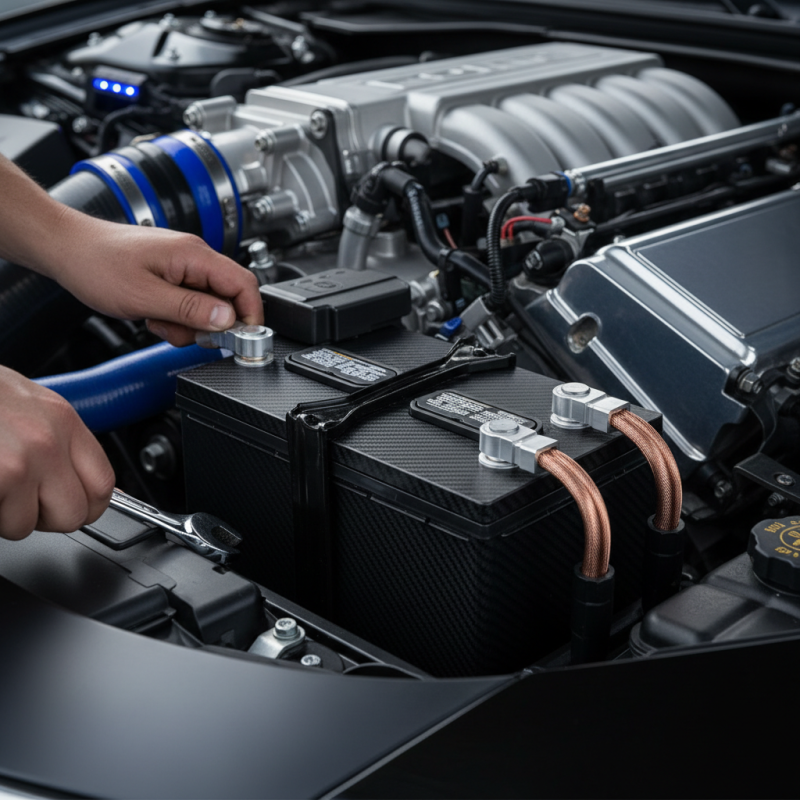
Types of Car Batteries: Understanding Performance and Longevity
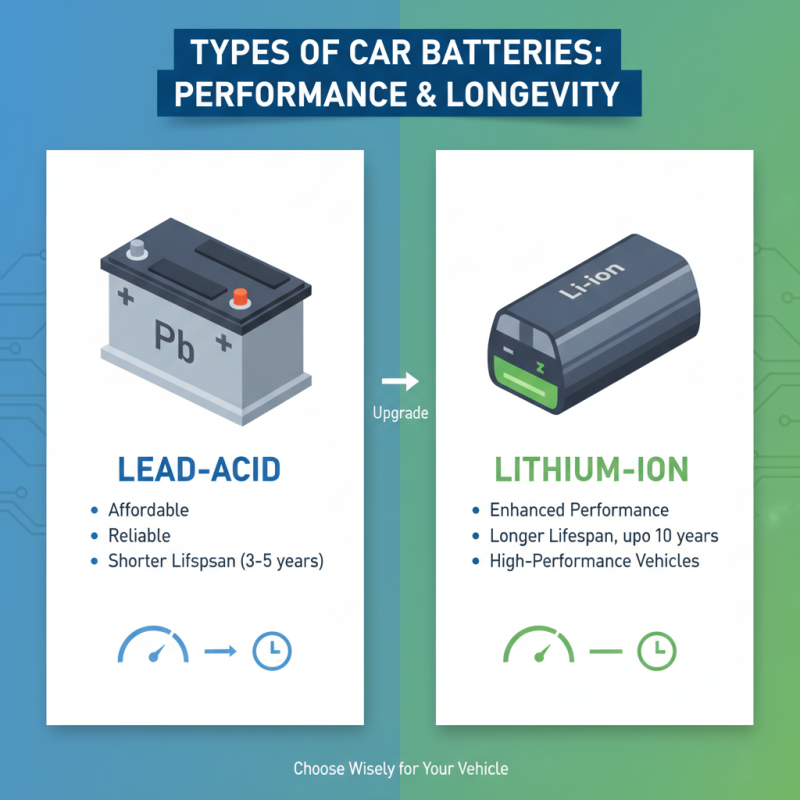
When selecting a car battery, understanding the types available is crucial for both performance and longevity. Lead-acid batteries remain the most common. They are affordable and reliable but tend to have a shorter lifespan. Typically, their longevity ranges from three to five years. Conversely, lithium-ion batteries offer enhanced performance. They have a longer life span, averaging up to ten years, making them a popular choice for high-performance vehicles.
Performance also varies across types. Absorbent Glass Mat (AGM) batteries excel in cold weather and deep cycling. They can discharge up to 80% without damage, compared to traditional lead-acid batteries, which should only discharge to 50%. This feature makes AGM batteries ideal for vehicles with high electrical demands, such as those equipped with numerous electronics.
Tips: Regular maintenance is key. Clean battery terminals to prevent corrosion. Check the charge regularly to avoid unexpected failures. Also, consider your vehicle's specific needs. Higher capacity might be required if you use many accessories. Properly matching a battery to your vehicle can enhance its lifespan. Balancing performance requirements with the right type of battery can lead to a more reliable driving experience.
Factors Influencing Battery Performance and Lifespan
When choosing a car battery, understanding factors that influence performance and longevity is crucial. Temperature plays a significant role. Batteries tend to lose efficiency in extreme heat or cold. A study by the Battery University reveals that for every 15 degrees Celsius increase, a battery's lifespan may drop by 50%.
Charging cycles also matter. Frequent short trips prevent a battery from fully charging, leading to sulfation. This condition shortens the battery's life. Data from the Electric Power Research Institute suggests that deep discharge cycles can reduce the cycle life of lead-acid batteries by up to 50%. Proper maintenance is essential for extending battery life.
Tips: Regularly checking the battery terminals for corrosion can help maintain a good connection. Ensure the battery is clean and well-secured. Monitor your battery's water levels if it's not maintenance-free. Remember, taking these steps can prevent unnecessary replacements.
Top Brands Known for High-Performance Car Batteries
When it comes to car batteries, performance and longevity are crucial. Many brands have made a name for themselves by providing reliable options. High-quality batteries can ensure your vehicle runs smoothly and avoids unexpected failures. Driving conditions vary, and this affects battery life significantly.
Some brands focus on advanced technology. They design batteries that resist extreme temperatures and offer superior charge retention. Their research and development often lead to improved durability. However, not all options fit every vehicle. Users need to consider specific needs and compatibility.
Many motorists have experienced battery failure due to poor selections. Regular checks can prevent these mishaps. Investing in a reputable brand may seem costly but it pays off in the long run. Always read reviews and seek expert advice to find a suitable battery for your vehicle. Remember that what works for one car may not work for another. Balancing performance and cost is essential for making an informed choice.
How to Choose the Right Car Battery for Your Vehicle
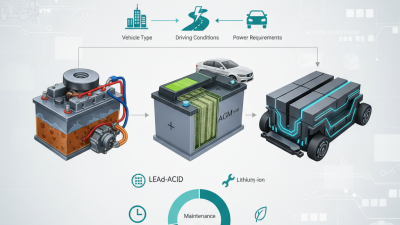
Choosing the right car battery can be a daunting task. It's essential to consider your vehicle's requirements and your driving habits. Factors such as climate, vehicle type, and usage frequency play a vital role in battery selection. A reliable battery ensures consistent performance, especially in extreme weather conditions.
When evaluating options, check the specifications. Ensure the battery matches your vehicle's requirements, such as size and power ratings. Many buyers overlook the importance of knowing their vehicle's cold cranking amps (CCA). This measurement indicates how well the battery starts in cold temperatures. A battery with higher CCA is crucial for colder climates.
Consider longevity when purchasing. Some batteries are built for enduring performance, while others focus on initial power output. Be wary of just going for the lowest price. A cheaper battery might save money initially but could lead to frequent replacements, ultimately costing more. Look for user reviews and expert recommendations to gauge reliability and performance.
Maintenance Tips to Extend Car Battery Life and Efficiency
Car battery maintenance is crucial for ensuring performance and longevity. Regular checks can significantly impact the lifespan of a battery. According to industry studies, a well-maintained battery can last up to 50% longer than one that is neglected. Monitoring fluid levels is essential. If these levels are low, add distilled water as needed. Corrosion on terminals can also shorten a battery's life. Cleaning terminals with a mixture of baking soda and water can help prevent this issue.
Temperature extremes can stress batteries. In cold conditions, battery output decreases. In hot climates, battery fluid evaporates more quickly. Storing your vehicle in a garage or covered area can reduce exposure. An intelligent trickle charger can also help maintain battery health. Interestingly, driving your vehicle for short trips often does not allow the battery to recharge fully, leading to a shortened lifespan. Aim for longer drives when possible.
Regular testing is another key factor in battery maintenance. Testing can identify weak cells before they fail. Data from the Battery Council International indicates that nearly 25% of car batteries are replaced prematurely due to lack of maintenance. Car owners often overlook the importance of maintenance. This neglect leads to unexpected battery failures. Address these issues proactively for reliability and efficiency.
Best Car Batteries for Performance and Longevity
| Battery Type |
Cold Cranking Amps (CCA) |
Reserve Capacity (RC) |
Warranty (Years) |
Life Expectancy (Years) |
Price Range ($) |
| Lead Acid |
600 |
120 |
2 |
3-5 |
100-150 |
| AGM (Absorbent Glass Mat) |
750 |
150 |
3 |
4-6 |
150-250 |
| Lithium-Ion |
900 |
200 |
5 |
7-10 |
300-600 |
Maintenance Tips to Extend Car Battery Life and Efficiency
| Tip |
Description |
Frequency |
| Regular Cleaning |
Keep the battery terminals clean and free from corrosion. |
Every 3 months |
| Check Water Levels |
Ensure the electrolyte levels are adequate in non-sealed batteries. |
Monthly |
| Avoid Short Trips |
Frequent short trips can prevent the battery from charging fully. |
As needed |
| Regular Testing |
Test battery performance regularly, particularly before long trips. |
Every 6 months |