What is the Best UPS Back Up Battery for Home Use?
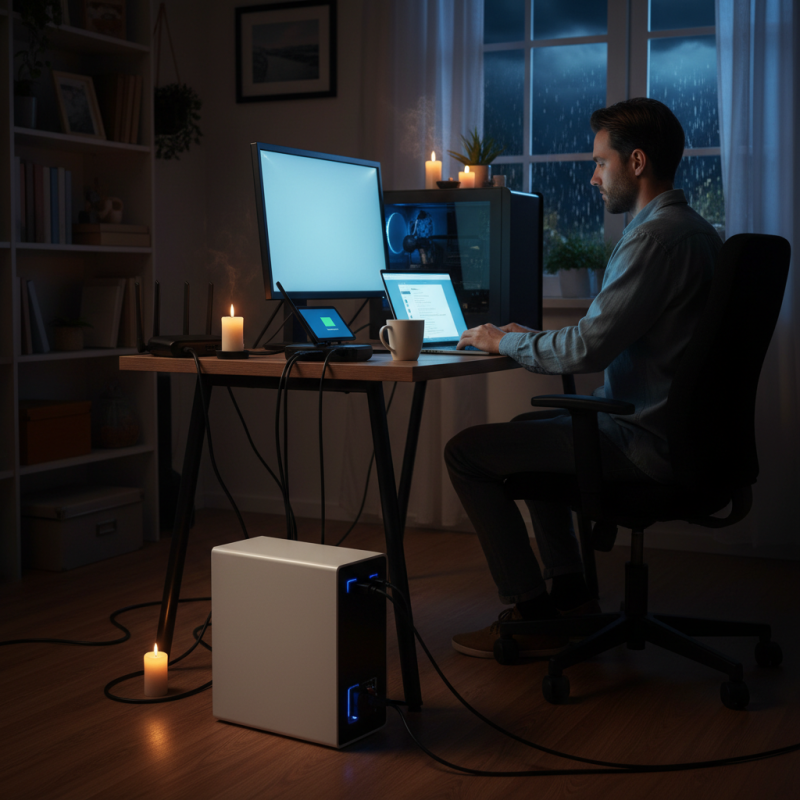
When it comes to home safety, choosing the right UPS back up battery is crucial. Power outages can happen unexpectedly. A reliable UPS back up battery can keep your electronics running smoothly. Imagine working from home during a storm, and then the lights go out. You need uninterrupted power supply for your computer and essential devices.
Selecting the best UPS back up battery involves considering capacity, efficiency, and runtime. Some batteries are designed for shorter outages, while others can last for hours. It's vital to assess your needs and do not overlook this aspect. The size and weight of the battery also matter. A bulky model may be difficult to move, affecting your overall experience.
In this guide, we'll explore various UPS back up battery options on the market. Each option has its pros and cons. You might find one that fits your budget, yet be cautious about quality. Ultimately, investing in the right UPS back up battery means better home protection and peace of mind. But remember, not every battery suits all users. Consider your specific requirements carefully.
Factors to Consider When Choosing a UPS for Home Use
When choosing a UPS for home use, several factors come into play. The capacity of the UPS is paramount. Most homes require a unit with at least 600 VA to cover essential devices like computers and routers. According to a 2021 industry report, 70% of users reported that they needed more backup power than initially anticipated. This statistic highlights the importance of overestimating your power needs.
The run time is another critical factor. Many prefer a UPS that can provide at least 10-15 minutes of backup during an outage. This duration allows time to save work and shut down devices safely. However, not all models deliver the same performance. A study revealed that 30% of UPS systems underperformed in delivering promised run times. Choosing a trustworthy model can prevent frustrating interruptions.
Finally, portability is worth considering. Many UPS systems weigh over 20 pounds, making them hard to relocate. Users often express dissatisfaction about their heavy units. Therefore, ensure the UPS fits your usage scenario, especially if you plan to move it around your home. Not all UPS systems are created equal, and making an informed choice can save you time and effort in the long run.
Types of UPS Systems: Standby, Line-Interactive, and Online
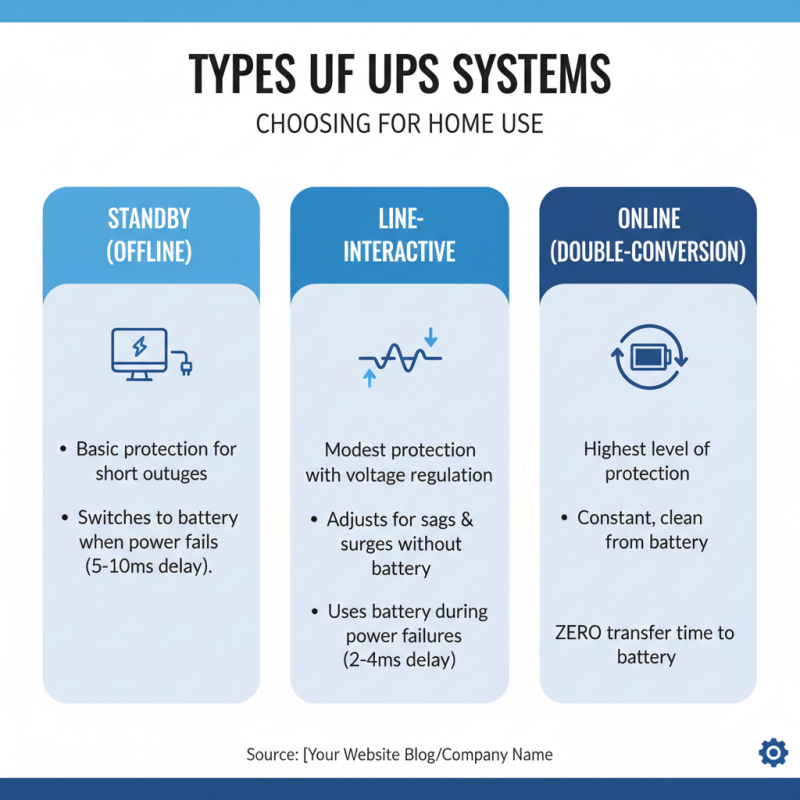
When choosing a UPS system for home use, understanding the types available is crucial. The three main types are Standby, Line-Interactive, and Online. Each type has unique characteristics that suit different needs.
Standby UPS systems are the most basic. They provide power backup when the main supply fails. However, they switch to battery mode. This transition can take a moment, which might not be ideal for sensitive devices.
Line-Interactive UPS systems offer more protection. They can regulate voltage fluctuations without switching to battery. This makes them better for areas with unstable power. But be cautious; they may not protect against all power issues.
Online UPS systems are the most advanced. They provide a continuous power source by constantly converting incoming AC power into DC, then back to AC. This ensures a pure power supply. The downside is their high cost and energy consumption.
Tips: Look for a UPS with enough battery capacity. Assess your devices’ power needs before purchasing. Regularly test your UPS to ensure it works properly. It’s essential to address these factors to prevent data loss during outages.
Key Features to Look for in a Home UPS Battery
When selecting a UPS backup battery for home use, consider these key features for optimal performance. First, look for the capacity of the battery. A higher capacity means it can power your devices longer during an outage. Assess your average energy consumption to determine the required capacity.
Another important feature is the inverter type. A pure sine wave inverter is ideal for sensitive electronics. It ensures smooth performance, reducing the risk of damaging your devices.
**Tip:** Always check the runtime of the UPS. It can vary significantly based on load. A shorter runtime may not suffice during lengthy outages.
Additionally, examine the surge protection offered. Good UPS batteries will protect against voltage spikes. This feature is crucial for safeguarding your equipment.
**Tip:** Regularly test and replace batteries as needed. Batteries degrade over time, which can impact performance.
Finally, consider the design and size of the unit. A compact unit can save space, but ensure it meets your needs. Check for user-friendly interfaces as well. This can make monitoring and managing your UPS much simpler.
Top UPS Brands for Residential Needs
When it comes to choosing a UPS for home use, selecting the right brand is crucial. Many brands offer a range of options designed for residential needs. Some focus on reliability, while others emphasize affordability. It's important to evaluate your unique requirements before making a decision.
Consider brands that prioritize user-friendly designs. A good UPS should be easy to set up and monitor. Look for models with clear indicators and helpful features. This can enhance your experience and ensure peace of mind during power interruptions. Yet, not all products meet these ideals. Sometimes, functionality comes at the cost of simplicity.
Battery life is another critical factor. Some models provide extended backup time, while others may not last as long. It’s frustrating when the power goes out, and your UPS fails to deliver. Real user feedback can help you navigate these challenges. Remember, investing in a quality UPS can make a significant difference in protecting your home electronics from sudden outages. Consider your environment and evaluate your options wisely.
Maintenance Tips for Home UPS Systems to Ensure Longevity
Maintaining a home UPS system is crucial for its longevity and effectiveness. Studies indicate that proper maintenance can extend battery life by up to 40%. Regularly checking connections and ensuring they are tight can prevent power losses. This small task often gets overlooked, yet it can significantly impact performance.
Frequent testing of the UPS system is vital. Most experts recommend conducting a self-test every month. This practice helps identify potential issues before they escalate. Additionally, keeping the environment cool and dry can aid in prolonging battery life. High temperatures can damage batteries and reduce their efficiency.
Battery replacement is another key element. While many systems last three to five years, indicators may suggest sooner replacements. Monitoring usage and signs of wear can provide valuable insights. Engaging in these preventive measures may require some effort, but it pays off in the long run.
What is the Best UPS Back Up Battery for Home Use? - Maintenance Tips for Home UPS Systems to Ensure Longevity
| Battery Type |
Capacity (VA) |
Expected Lifespan |
Maintenance Frequency |
Ideal Use Case |
| Lead Acid |
800 - 2000 |
3 - 5 years |
Monthly |
Home computers, network equipment |
| Lithium Ion |
1500 - 3000 |
5 - 10 years |
Quarterly |
Home office and gaming setups |
| Sealed Lead Acid (SLA) |
600 - 1200 |
3 - 5 years |
Bi-annual |
Basic home appliances |
| Nickel Cadmium (NiCd) |
1000 - 2000 |
4 - 7 years |
Monthly |
Heavy-duty applications |
| Nickel Metal Hydride (NiMH) |
800 - 1500 |
3 - 5 years |
Monthly |
Lightweight devices |