How to Choose the Best UPS System for Your Needs?
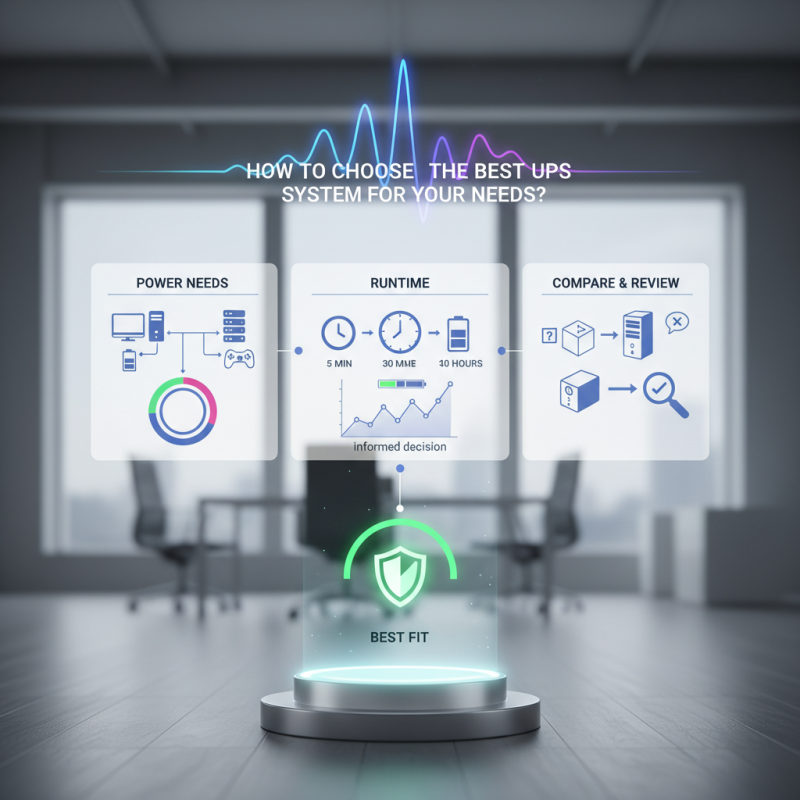
Choosing the right UPS system can seem overwhelming. There are many options available, and each has its own features. A suitable UPS system ensures your devices run smoothly during power outages.
Your specific needs should guide your choice. First, consider how much power you need. This includes the devices you want to protect. Some might require a larger capacity, while others do not.
Next, think about runtime. How long do you need your UPS system to last during an outage? This factor can vary widely. To make an informed decision, read reviews and compare models. There may be some discrepancies in what different systems offer. Reflect on these options to find the best fit for your circumstances.
Understanding UPS Systems: Types and Features
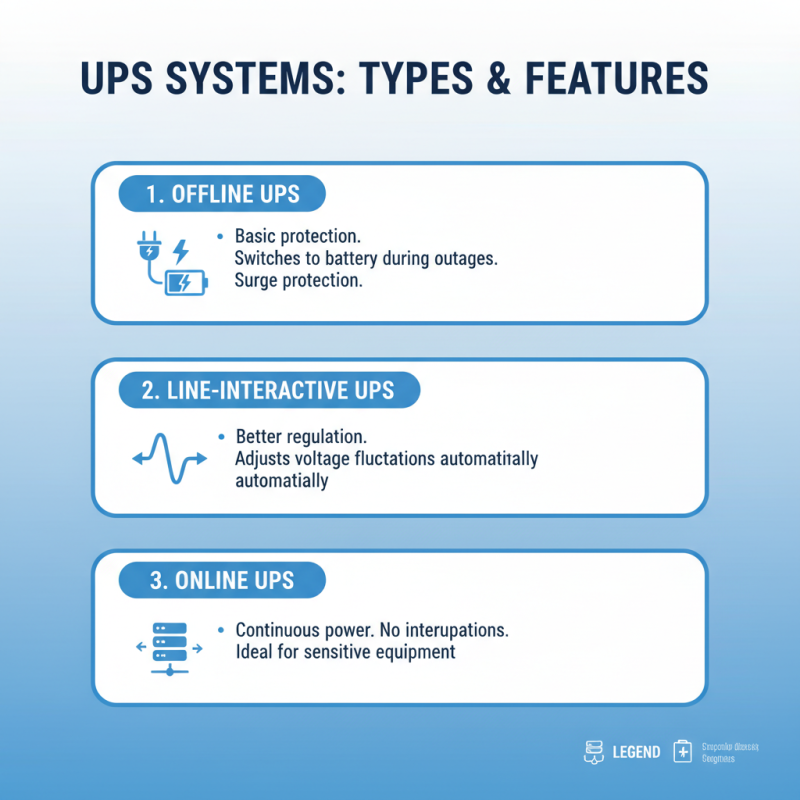
When selecting a UPS system, it’s crucial to understand the types and features available. There are three primary types: offline, line-interactive, and online. Offline UPS units are most basic. They provide surge protection but switch to battery during outages. Line-interactive systems offer better regulation. They adjust voltage fluctuations automatically. Online systems deliver continuous power without interruptions. They are ideal for sensitive equipment.
Features also play a significant role in your decision. Look for battery capacity, runtime, and efficiency ratings. The size of the UPS is important too. A unit too small can lead to failure during a power outage. A unit too large may waste energy. Consider the amount of equipment you need to power. Think about compatibility with your devices. Protection against surges is a must. Not every model provides the same level of safety.
While you may think all UPS systems are similar, they vary greatly. Some systems may not support your devices correctly. Be prepared to do research and ask questions. User reviews can provide insights, but not all reviews are honest. Take time to assess your specific needs. It can save you trouble later.
Assessing Your Power Needs: Calculating Load Requirements
When choosing a UPS system, understanding your power needs is crucial. Begin by calculating your load requirements. Determine which devices will be connected to the UPS. Add their power consumption. Look for the wattage ratings on devices. Most often, they’re listed on the back or bottom.
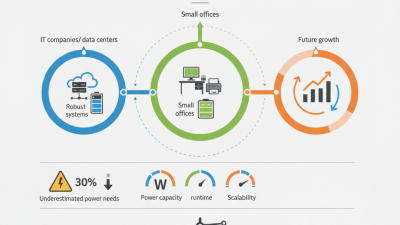
Tips: Use a power meter to measure actual usage. This step can reveal unexpected power demands. Consider future needs. Will you add more devices? Plan for growth to avoid underestimating capacity.
Evaluate the total load you’ve calculated. This will help in selecting the right UPS size. A common mistake is not factoring in surge power. Some devices require more energy to start than they do to run. Failing to account for this can lead to system failure.
Tips: Create a list of devices and their ratings. Double-check the totals before proceeding. Always keep safety in mind when selecting equipment. Reflect on your choices and adjust your calculations as necessary.
Evaluating Runtime: How Long Do You Need Backup Power?
When evaluating runtime for a UPS system, consider how long you will need backup power. This decision depends on your specific requirements. For instance, critical systems may need several hours of operation during an outage. Alternatively, less critical devices may only require a few minutes to allow for a proper shutdown. Reflect on what matters most for your setup.
Think about the devices you wish to protect. A server may need a longer runtime than just a personal computer. Typically, larger systems consume more power. If you have essential peripherals connected, this also affects total runtime. A simple estimate can help, but remember, fluctuations in power demand can complicate this.
Consider potential future needs too. Do you anticipate adding more devices? What happens if the power outage lasts longer than expected? It's wise to prepare for the unknown. It's challenging to strike a balance between your budget and your runtime needs. Keep exploring various options. You may find solutions that fit your needs better over time.
Evaluating Runtime: How Long Do You Need Backup Power?
Considerations for UPS Design: Form Factor and Efficiency
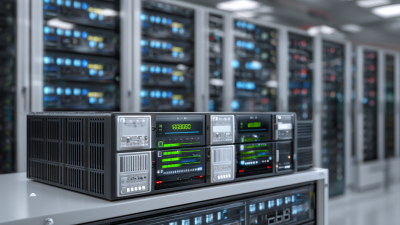
When selecting a UPS system, form factor and efficiency are critical considerations. The form factor determines how the system fits within your space. Rack-mounted units save floor space, while tower models can offer easier access to interfaces. According to recent studies, a well-chosen form factor can enhance the overall operational efficiency of data centers by up to 20%.
Efficiency is equally important. The efficiency of a UPS can significantly affect energy costs. The average UPS efficiency is around 94%, but high-efficiency models can exceed 98%. This difference can lead to substantial energy savings over time. In fact, businesses can save thousands of dollars annually by investing in more efficient units. However, it is crucial to reflect on trade-offs. More efficient systems may require higher initial investments.
Another point to consider is the heat output. Higher efficiency units produce less heat, which can save on cooling costs. Yet, installation may be trickier due to space constraints. Balancing these elements is key. Choices often boil down to what best suits specific operational needs. Assessing both the environment and goals will guide better decisions.
How to Choose the Best UPS System for Your Needs? - Considerations for UPS Design: Form Factor and Efficiency
| UPS Type |
Form Factor |
Rated Power (VA) |
Efficiency (%) |
Runtime (minutes) |
Weight (lbs) |
| Tower UPS |
Tower |
1000 |
94 |
15 |
50 |
| Rack-Mount UPS |
Rack-Mount |
1500 |
95 |
20 |
60 |
| Line-Interactive UPS |
Desktop |
750 |
90 |
10 |
30 |
| Online UPS |
Tower |
2000 |
96 |
25 |
70 |
Budgeting for a UPS: Cost Analysis and Long-term Investment
Choosing the right UPS (Uninterruptible Power Supply) system involves careful budgeting. Understand that cost can vary widely. A low-priced model may seem attractive but could lack essential features. Over time, this might lead to higher costs in repairs or lost productivity.
Tips: Invest in quality components. They may cost more upfront but save you money later.
It's also important to factor in longevity. Some systems last longer than others. A cheaper UPS might need replacing sooner, leading to unexpected expenses. Think about maintenance costs too. Regular checks can prevent sudden breakdowns.
Tips: Consider warranty options carefully. A good warranty can be a lifesaver.
When analyzing costs, don’t forget about energy efficiency. Some UPS models consume less power, which can lower your electricity bill. Evaluate your actual power needs and choose accordingly. Buying surplus capacity could be wasteful.
Tips: Calculate your energy requirements. Don’t guess—measure.