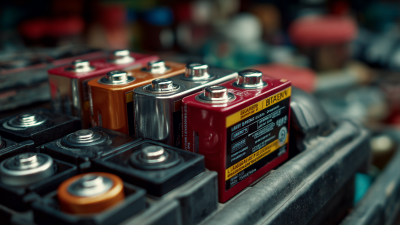
When choosing the best boat batteries, several factors come into play. Boat batteries are crucial for your vessel's performance. They power essential systems like navigation and communication. Selecting the right type ensures your boat operates smoothly.
Different types of boat batteries exist. Lead-acid, lithium-ion, and AGM batteries all have unique advantages and drawbacks. For instance, lead-acid batteries are cheaper, but they may not last as long as lithium-ion options. This choice might lead you to rethink your priorities.
Battery capacity is another key consideration. Understanding your energy needs helps you select a battery that won’t fail mid-journey. Don't overlook the importance of proper maintenance. Neglecting battery care can result in decreased performance and longevity. Inadequate knowledge about boat batteries can lead to costly mistakes. In the end, making an informed choice is essential for a safe and enjoyable boating experience.
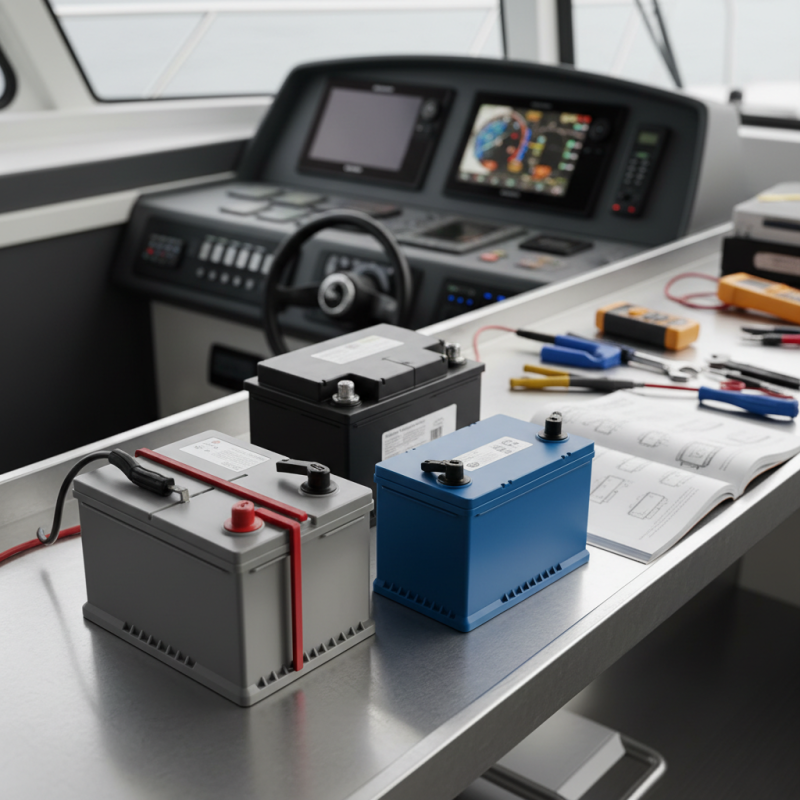
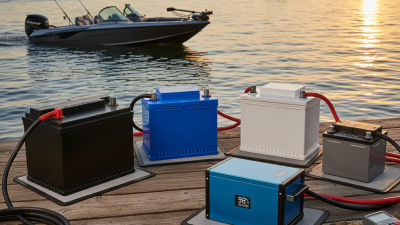
When choosing the best boat batteries, understanding the types available is crucial. There are mainly three types: lead-acid, lithium-ion, and AGM. Lead-acid batteries are the most common. They are affordable and reliable. However, they require regular maintenance and have a shorter lifespan. Lithium-ion batteries are gaining popularity. They are lightweight and can store more energy. The downside? They are often more expensive upfront.
AGM batteries are a hybrid option. They are sealed and maintenance-free. This makes them convenient for many boaters. Yet, they too can be pricey compared to traditional lead-acid types. It’s worth considering how you use your boat. If you sail often, lithium-ion might offer better performance. For occasional trips, lead-acid could suffice. Each battery type has its pros and cons.
Choosing the right battery involves assessing your needs. Think about power requirements and weight limits. Also, how often will you charge and maintain the batteries? Some boaters regret not planning ahead. They find themselves stuck with heavy batteries or insufficient power. Researching specifications in detail can prevent these missteps. Batteries are a key part of your boating experience. Choose wisely.
| Battery Type | Capacity (Ah) | Voltage (V) | Weight (lbs) | Approx. Price ($) |
|---|---|---|---|---|
| Lead Acid | 100 | 12 | 60 | 150 |
| AGM | 110 | 12 | 70 | 200 |
| Lithium-ion | 100 | 12 | 30 | 800 |
| Gel | 90 | 12 | 55 | 175 |
When assessing your power needs for various marine applications, consider how you will use your boat. Will you be fishing, cruising, or enjoying water sports? Different activities require different power levels. A fishing boat might need less power than a yacht equipped with multiple appliances. It's essential to analyze your power consumption carefully.
Think about the devices you plan to use on your boat. Lights, motors, and electronics all draw power. Each device has specific requirements. For instance, a navigation system can require continuous power, while other gadgets may only need power intermittently. Creating a list of all devices and their power ratings can help clarify your total needs. Still, keep in mind that things can go wrong. You might overlook a device or miscalculate its power draw.
Battery capacity is another critical factor. How long do you plan to be out on the water? Do you have backup systems? A larger reserve can save you during unexpected situations. However, larger batteries also weigh more and take up space. Balancing power needs with available battery space is often tricky. Regular reviews and adjustments to your power needs can help you stay prepared. These reflections can lead to more informed decisions.
Choosing the right boat batteries is crucial. Different boats have different power needs. Consider your boat's size and power requirements. A smaller boat may only need a single battery. Larger vessels often require multiple batteries to function properly.
Battery type is another crucial factor. There are lead-acid, AGM, and lithium options. Each has its pros and cons. Lead-acid is cost-effective but requires regular maintenance. Lithium batteries offer a longer lifespan but come at a higher upfront cost. Think about your budget and boating lifestyle.
Also, think about battery placement. How and where you install your batteries can affect performance. Ensure proper ventilation to prevent overheating. Regularly check connections for corrosion. It's easy to overlook these details. But neglecting them might lead to failures on the water. And that’s not what any boater wants.
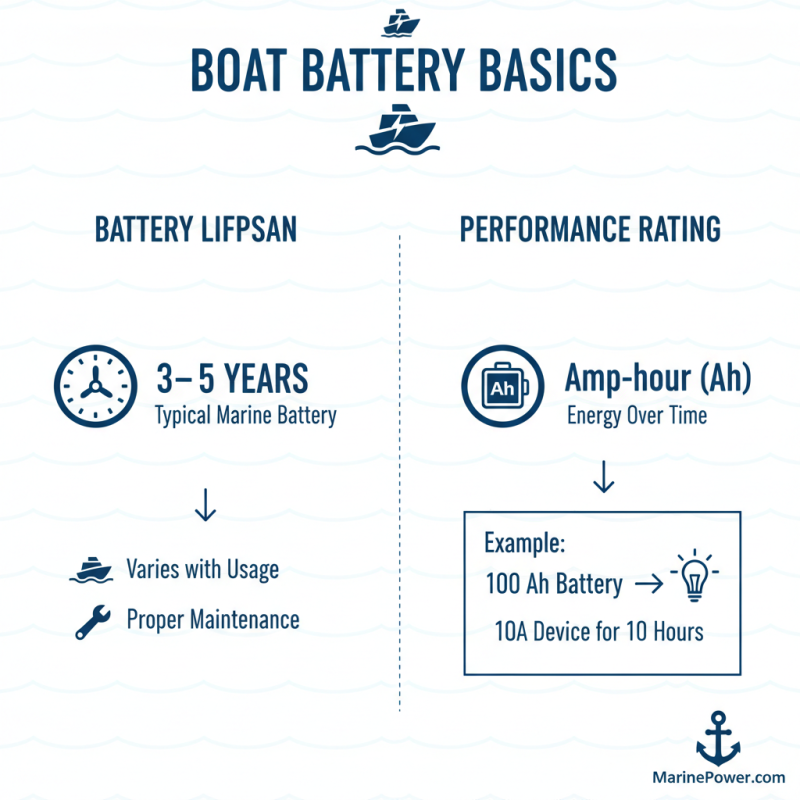
When selecting boat batteries, understanding battery life and performance ratings is crucial. A typical marine battery has a lifespan of about 3 to 5 years. However, this can vary based on usage and maintenance. The Amp-hour (Ah) rating is a key performance metric. It indicates how much energy the battery can deliver over time. For example, a 100 Ah battery can theoretically power a 10 amp device for 10 hours.
A recent industry report highlights that many boat owners underestimate the importance of regular maintenance. Just like other equipment, batteries require care. Overcharging can reduce battery life significantly. Conversely, deep discharging can also harm performance. Many experts recommend keeping battery terminals clean and ensuring a proper charge cycle.
Tips: Opt for a battery with a high CCA (Cold Cranking Amps) rating if you operate in colder climates. This can greatly enhance performance. Additionally, consider investing in a smart battery charger. It can optimize charging and extend battery lifespan. Don't overlook the fact that weight matters too. Heavier batteries tend to provide better longevity. However, balance this with the boat's overall weight capacity.
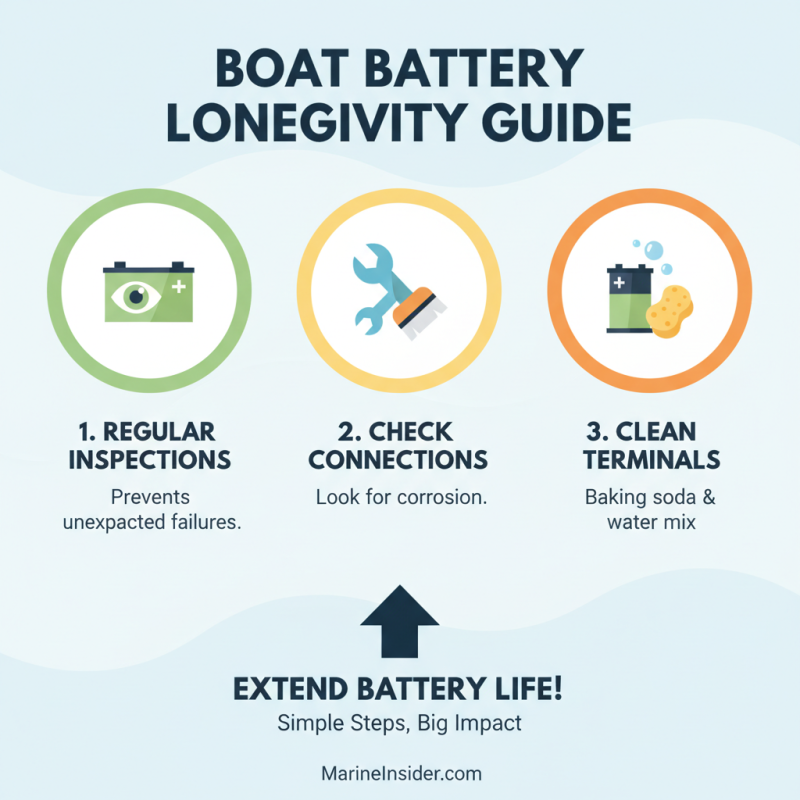
Maintaining your boat batteries is crucial for longevity. Regular inspections can prevent unexpected failures. Check connections for corrosion. Clean them with a mixture of baking soda and water. This simple step can significantly extend battery life.
Proper charging is vital. Overcharging can damage batteries. Use a smart charger that matches your battery type. Monitor the charging process. It's easy to overlook but essential for optimal performance.
Additionally, store batteries in a cool, dry place when not in use. Extreme temperatures can shorten lifespan. Ensure they are fully charged before storing. Fluctuating power levels can lead to sulfation, which is detrimental.
Practicing these maintenance tips can prolong the life of your boat batteries. Yet, it's important to reflect on personal habits. Are you attentive enough? Regular maintenance shouldn't be an afterthought. Every small effort counts.