How to Choose the Right UPS Power Supply for Your Needs?
Choosing the right UPS power supply is crucial for businesses and individuals alike. A reliable UPS ensures uninterrupted power, safeguarding sensitive equipment from surges and outages. According to a MarketsandMarkets report, the global UPS market is expected to reach $15.3 billion by 2026, reflecting its growing importance in various industries.
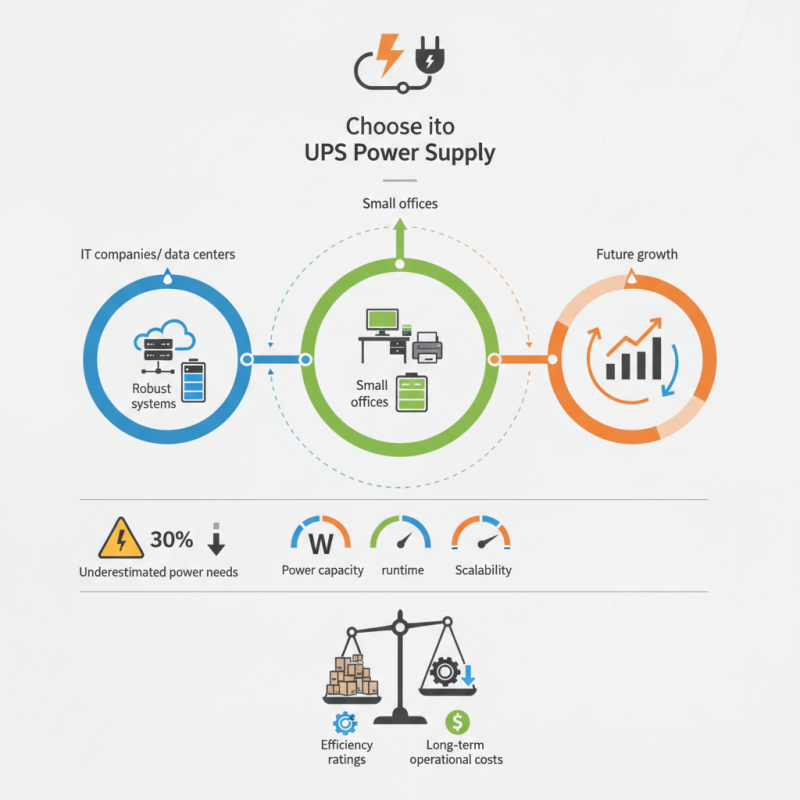
Different users have varying power supply needs. For instance, IT companies often require robust systems to support critical data centers. In contrast, small offices might need simpler solutions. Understanding power capacity, runtime, and scalability is essential in making an informed choice. Reports indicate that 30% of businesses underestimate their power needs, leading to costly disruptions.
In reality, selecting an appropriate UPS power supply isn’t always straightforward. There are many products on the market, each with unique specifications and features. Customers sometimes overlook efficiency ratings, which can impact long-term operational costs. It's important to weigh these factors carefully to avoid regret later. Empower yourself to make the best choice for your specific requirements.
Understanding UPS Power Supply and Its Importance
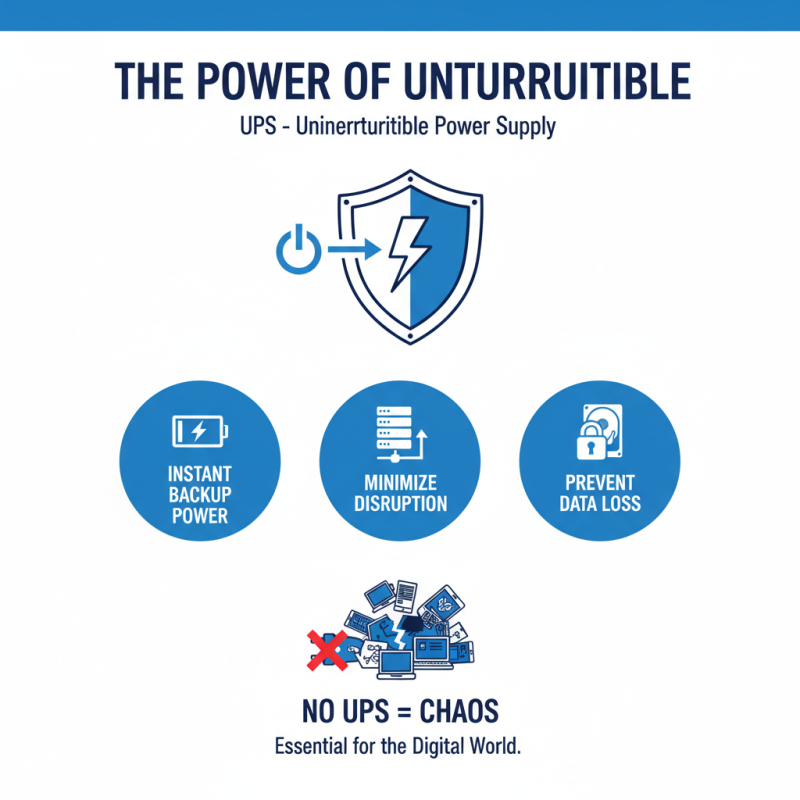
Understanding UPS power supply is crucial for any organization. A UPS, or uninterruptible power supply, provides backup power during outages. This technology minimizes disruptions and prevents data loss. In today's digital world, this reliability is essential. Many underestimate its importance. Without a UPS, a sudden power cut can lead to chaos.
Choosing the right UPS can be challenging. Different systems serve different needs. A small office may require a basic model. Larger setups may need advanced features. It’s easy to overlook the capacity needed for all devices. Assessing your current load is key. Ignoring this step often results in an inadequate solution.
Consider factors like runtime and load capacity. Longer runtimes are essential for mission-critical systems. However, they can be expensive. Analyze your priorities carefully. Sometimes, cheaper options come with hidden costs. Evaluating your long-term needs is vital. A hasty decision can lead to regrets down the line.
Identifying Your Power Requirements and Load Capacity
Identifying your power requirements is crucial when selecting a UPS power supply. Start by assessing the devices you want to protect. Each device has a specific voltage and current requirement. For instance, typical servers might need between 400W to 1000W, depending on their configuration and workload. According to a recent industry report, around 30% of organizations underestimate their total load capacity, leading to inadequate UPS support.
Load capacity assessment involves evaluating both the wattage and the total VA (Volt-Amps) of your devices. Calculating the total wattage helps ensure you choose a UPS that can handle peak loads efficiently. It's common to miss essential components, like networking equipment or backup batteries. A management survey found that 40% of organizations didn't account for future growth, risking potential downtime.
Another factor to consider is runtime. You might need a UPS that provides sufficient backup time during outages. Surprisingly, many companies opt for cheaper units, compromising on runtime. Research shows that about 50% of failures happen due to insufficient power backup. Ensure you analyze your specific needs before making a decision. A thorough evaluation will help avoid costly mistakes and improve reliability.
Exploring Different Types of UPS Systems Available
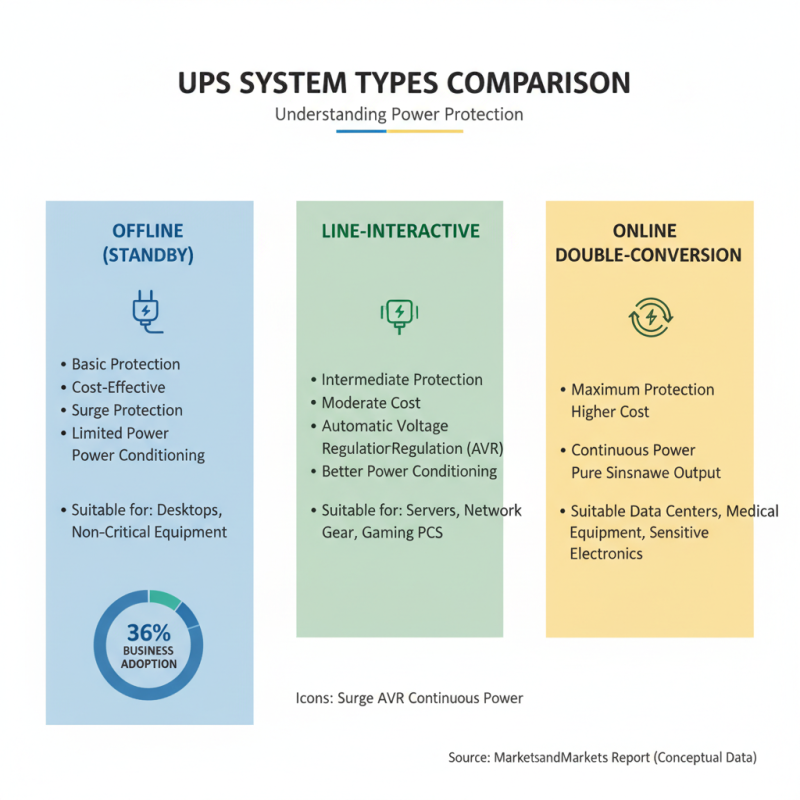
When selecting a UPS system, it's vital to understand the different types available. Generally, there are three main categories: offline, line-interactive, and online UPS systems. Offline models are basic and cost-effective, offering surge protection but limited power conditioning. They're suitable for less critical equipment. According to a report by MarketsandMarkets, around 36% of businesses opt for this type due to budget constraints.
Line-interactive UPS systems are more feature-rich. They provide better power conditioning and are ideal for environments with frequent voltage fluctuations. They can correct minor voltage issues without switching to battery power. A study by Technavio highlighted that line-interactive UPS systems are projected to grow by 5% annually, reflecting their increasing popularity among SMEs.
On the other hand, online UPS systems deliver constant power and are perfect for sensitive devices. They use a double conversion method, ensuring consistent output. However, they are more expensive and can be overkill for less critical loads. Some users may find themselves overspending on features they don't need, highlighting the importance of a thorough needs assessment before purchasing. Ultimately, understanding these differences can prevent unnecessary costs and enhance overall efficiency.
Key Features to Consider When Selecting a UPS
Choosing the right UPS power supply involves key features that cater to your specific needs. Firstly, assess the power rating. The capacity of a UPS is measured in VA (volt-amperes) or watts. A report from the UPS Manufacturers Association indicates that understanding your device's total wattage is crucial. Many users underestimate their power needs. A UPS should support 20% more than your total.
Next, consider the runtime. The time a UPS can sustain power during an outage matters. Reports show that users typically need between 5 to 20 minutes of backup time for critical equipment. This duration can vary depending on devices connected. In many instances, unexpected outages lead to losses. Adequate runtime helps mitigate these risks.
Battery type and maintenance are also vital. Most UPS units use sealed lead-acid or lithium-ion batteries. A research article highlights that lithium-ion batteries have a longer lifespan and require less maintenance. However, they may have a higher upfront cost. Regular checks and timely replacements can prevent operational failures. It’s easy to overlook these aspects until it's too late. Understanding these critical features can streamline your selection process.
Evaluating Brands and Models for Reliability and Support
When selecting a UPS power supply, evaluating brands and models for reliability is crucial. A dependable power supply must withstand your hardware demands. It should offer consistent performance, especially during outages. Look for user reviews that reflect real-world experiences. This will give you insights into the reliability of the product.
Tips: Check online forums for discussions on UPS performance. Users often share their failures and successes. Real feedback provides a clearer picture than marketing slogans.
Consider the support offered by the brand. A responsive customer service can make a big difference. Quick resolutions can prevent downtime during critical moments. Some brands may have long waits. This can lead to frustration. A brand with prompt support might be worth a slightly higher price.
Tips: Reach out to customer service before buying. Ask questions to gauge their responsiveness. A quick reply can indicate better ongoing support for your needs. Don't overlook the importance of warranties. A strong warranty reflects confidence in the product.
Choosing the Right UPS Power Supply: Reliability and Support Ratings