What is a Load Disconnect Switch and Its Benefits?
A Load Disconnect Switch plays a crucial role in electrical systems. This device ensures a safe and efficient way to disconnect power. It is essential in both residential and industrial settings. Many people may overlook its importance, but its benefits are significant.
The Load Disconnect Switch helps prevent electrical accidents. It offers a convenient means to isolate circuits for maintenance or emergencies. This can significantly reduce downtime and enhance safety for technicians. However, users must understand proper installation and operational guidelines. Misuse can lead to system failures or hazards.
While this switch provides advantages, not all units are equal. Quality and reliability should be prioritized when selecting a Load Disconnect Switch. Research and expert recommendations are vital. A well-chosen switch can enhance safety and performance greatly.
Definition and Purpose of a Load Disconnect Switch
A Load Disconnect Switch is crucial in electrical systems. It serves as a safety device, allowing users to disconnect power from a circuit. This action is essential during maintenance or emergencies. By isolating parts of the system, it helps prevent accidents and equipment damage.
The core purpose of a Load Disconnect Switch is to ensure safety. When technicians work on electrical systems, they need to know they are not in danger. This switch provides peace of mind. However, improper use of such switches can lead to dangerous situations. It’s vital to follow protocols and understand the specific requirements of your electrical system.
In addition to safety, these switches offer operational benefits. They can reduce downtime during repairs, allowing for efficient work environments. Yet, using the switch improperly can interrupt workflow and lead to complications. Understanding their functionality is key to maximizing their effectiveness. Awareness and training can significantly enhance their reliability in real-world applications.
Key Components of a Load Disconnect Switch
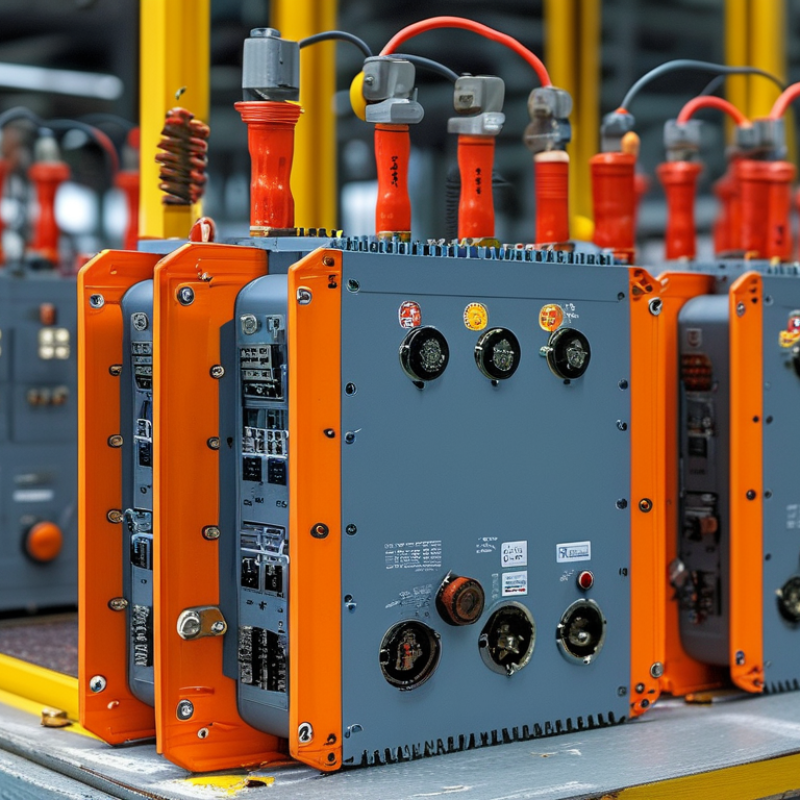
Load disconnect switches play a vital role in electrical systems. Understanding their key components is essential for effective operation. These switches are typically composed of several main parts: the switch mechanism, terminal connections, housing, and additional safety features. The switch mechanism allows for reliable disconnection of power, important in preventing electrical hazards.
The switch’s terminal connections ensure secure electrical conductivity. They are designed to accommodate various wire sizes and load requirements. Properly chosen terminal connections can reduce overheating risks, which is critical. The housing protects the internal components from environmental factors like dust and moisture. Some switches come with additional safety features, such as lockout/tagout provisions, enhancing operator safety.
According to a report from the National Electrical Manufacturers Association, around 30% of electrical failures can be traced back to poor disconnection methods. Additionally, many facilities lack proper maintenance protocols, leading to unexpected downtimes. It highlights the need for regular inspections and updates to disconnection systems. Understanding these components and their implications can lead to improved safety and efficiency in electrical installations.
Benefits of Using a Load Disconnect Switch in Electrical Systems
A Load Disconnect Switch plays a critical role in electrical systems. It provides a safe way to cut off power. This is vital for maintenance and emergency situations. According to a report by the National Electrical Manufacturers Association, over 10% of electrical failures arise from improper isolation practices. Load Disconnect Switches help mitigate these risks.
Using these switches enhances safety. They prevent accidental energization during maintenance. A survey showed that facilities with proper disconnect devices reported a 30% reduction in electrical accidents. This statistic highlights the importance of implementing effective safety measures. Additionally, these switches can prolong equipment life, minimizing costly downtimes. Regular inspections and proper use are essential for achieving these benefits.
While the advantages are clear, challenges exist. Not all systems use Load Disconnect Switches correctly. Misunderstanding their operation can lead to accidents or equipment failures. It's crucial for staff to receive thorough training. Neglecting this aspect can waste resources. Reliable data and industry standards help in avoiding such pitfalls.
Benefits of Using a Load Disconnect Switch in Electrical Systems
Applications of Load Disconnect Switches in Various Industries
Load disconnect switches play a vital role in many industries. They ensure safety and reliability in electrical systems. These switches disconnect power during maintenance or emergencies, preventing hazards. In manufacturing plants, for example, staff can safely work on machinery. This reduces risks of electrical shock and equipment damage.
In the utility sector, load disconnect switches control electrical flow to substations. They help manage the distribution of energy efficiently. With proper installation, these switches can enhance system reliability. Power cuts can be minimized, ensuring a steady supply. Proper functioning is crucial, so regular testing and maintenance are essential.
**Tips:** Always check load disconnect switches regularly. Look for signs of wear or damage. This can prevent unexpected failures. Educate staff on safe operating procedures to maximize safety and efficiency. Training can make a significant difference in handling these devices.
What is a Load Disconnect Switch and Its Benefits? - Applications of Load Disconnect Switches in Various Industries
| Industry | Application | Benefits of Load Disconnect Switch |
| Manufacturing | Machinery Isolation | Enhances safety by allowing safe maintenance and servicing of equipment. |
| Telecommunications | Powering Down Equipment | Protects against overloads and electrical failures. |
| Construction | Site Power Control | Prevents accidental energization during work on-site. |
| Healthcare | Medical Equipment Safety | Ensures safe operation and maintenance of critical medical devices. |
| Utilities | Grid Management | Allows for safe and efficient management of power distribution. |
Maintenance and Safety Considerations for Load Disconnect Switches
Load disconnect switches play a crucial role in electrical safety and maintenance. Proper installation and regular inspections are key to ensuring their efficiency. These switches can disconnect loads, preventing electrical overloads and potential fires. Regular maintenance checks can identify wear and tear, helping to avoid sudden failures.
User awareness is also vital. Users should know how to operate these switches safely. Training staff on their functionality reduces mishaps. It’s essential to evaluate the surrounding environment, ensuring no obstructions impair access to the switches. Dust and moisture can affect performance, so maintaining a clean area is necessary.
Mechanical failures or improper handling can compromise safety. Users must inspect for signs of corrosion or wear. These can impact the effectiveness of the switch. Reflecting on maintenance schedules can lead to better decision-making. Regular inspections help capture problems early, ensuring a safer operating environment.