
Choosing the top Control Valve manufacturers, suppliers, and exporters requires more than comparing catalogue prices. Process industries depend on accurate flow regulation, stable pressure control, and reliable shutdown performance. A valve installed beside a hot steam line must respond consistently, even after thousands of operating cycles.
Market reports show continued demand across oil and gas, power generation, chemicals, water treatment, and food processing. MarketsandMarkets has projected steady growth for the global control valve market, supported by automation and industrial modernization. Grand View Research also identifies process automation and energy infrastructure as important market drivers. However, reported market values differ between studies. Their methods, product definitions, and regional coverage are not identical. The numbers are useful, but not perfect.
A dependable supplier should demonstrate engineering experience, documented testing, and practical after-sales support. Buyers should examine actuator compatibility, pressure ratings, body materials, leakage performance, and response time. Certifications and quality systems also deserve careful review. IEC 60534 and ISA standards provide useful technical references for industrial control valve evaluation. Export capability matters too, especially when spare parts, customs documentation, and field service cross borders.
The strongest manufacturers usually provide sizing calculations, inspection records, and application guidance rather than generic promises. A polished website is not proof of performance. Real reliability appears in test benches, installed references, and clear warranty terms. This guide compares leading manufacturers, suppliers, and exporters through those practical measures. It also recognizes an uncomfortable point: the cheapest quotation may create the highest lifecycle cost. Some rankings remain subjective, because regional service quality is difficult to measure consistently.
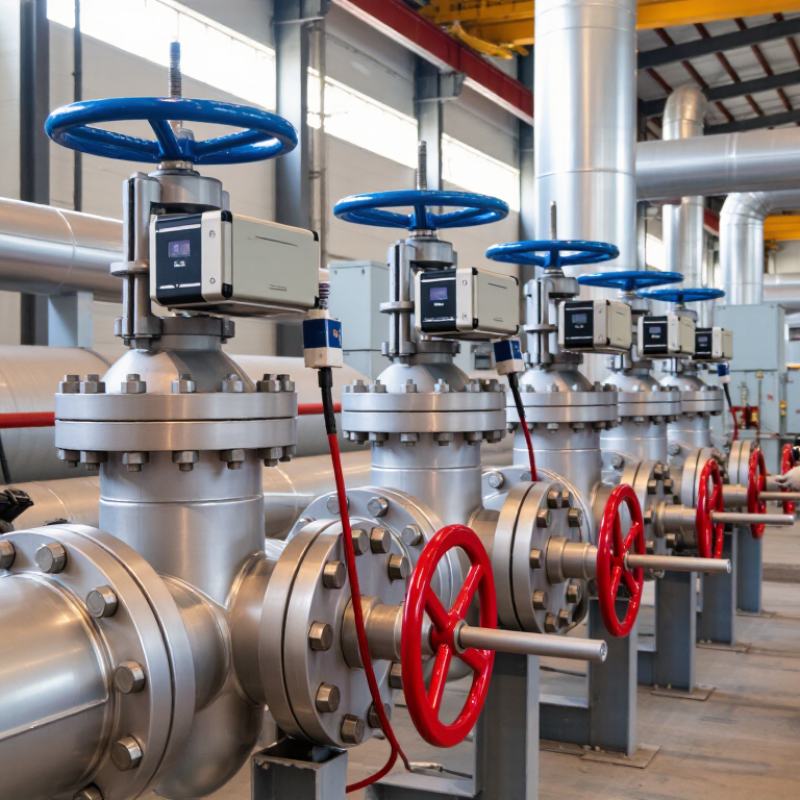
Control valves regulate fluid movement in industrial piping systems. They adjust flow, pressure, temperature, or liquid level. A typical valve includes a body, trim, actuator, and control signal. The actuator moves a plug, ball, or disc. This changes the passage opening inside the valve. More opening usually means more flow. Less opening restricts it. Simple in theory.
In operation, sensors measure process conditions and send data to a controller. The controller compares actual conditions with the target value. It then signals the actuator to reposition the valve. Pneumatic, electric, and hydraulic actuators are common choices. A positioner can improve accuracy by confirming the valve’s actual position. Fail-open or fail-closed action may protect equipment during power or air loss. In practice, the clean textbook picture is imperfect. Friction, cavitation, vibration, and dirty fluid can reduce performance.
Tips: Match the valve size to the process, not only the pipe diameter. Check pressure, temperature, fluid chemistry, and expected flow range. Oversized valves often operate near the closed position, causing unstable control. Listen for unusual noise. Inspect packing, connections, and actuator response during maintenance. I have found that small installation details can matter more than impressive specifications. Suppliers and exporters should provide test records, material details, calibration data, and clear operating limits.
Control valves regulate fluid flow by changing the effective flow area as the valve stem moves. This chart shows normalized flow capacity at different stem-travel positions for three standard inherent valve characteristics. Each curve reaches 100% capacity at full travel.
Linear characteristics provide approximately proportional capacity changes, equal-percentage characteristics provide finer control at low travel and larger capacity changes near full travel, while quick-opening characteristics deliver most of their capacity early in the stroke.
Control valves regulate pressure, flow, temperature, and liquid level across industrial systems.
Globe valves provide accurate throttling for steam, cooling water, and chemical dosing lines.
Their internal design supports stable adjustment, although pressure loss can be significant.
Ball valves deliver quick, reliable control in oil, gas, and general process pipelines.
With suitable trim, they can manage variable flow more precisely.
Butterfly valves suit large-diameter water, air, and low-pressure applications because they are compact and lightweight.
Needle valves handle fine flow adjustment in instrument systems.
Diaphragm valves work well with corrosive liquids, slurries, and hygienic processes.
Their sealed design reduces contamination risks.
No valve choice is perfect. Real plant conditions often expose weaknesses that laboratory data misses.
Tips:
Check pressure, temperature, fluid chemistry, and flow range before selecting a valve. Match the actuator with the required response speed and fail-safe position.
During commissioning, inspect vibration, noise, leakage, and control stability. Small errors matter.
A valve may meet its datasheet ratings yet perform poorly with flashing liquid or unstable upstream pressure.
Review maintenance access too, because difficult repairs can increase long-term operating costs.
Experienced engineers also compare lifecycle performance, not only purchase price.
Evaluating leading control valve manufacturers starts with the process, not the catalog. Define pressure, temperature, fluid composition, flow range, and required shutoff performance. A capable supplier should explain its sizing method clearly. It should also question incomplete operating data.
During plant inspections, examine machining quality, actuator alignment, and surface finishing. Ask for material certificates, pressure-test records, calibration details, and serial-number traceability. Compare the proposed Cv value with actual operating conditions. Oversized valves often cause unstable control and unnecessary wear. Small details matter.
Technical support separates experienced manufacturers from ordinary exporters. Review engineering response times, spare-parts availability, installation guidance, and field service coverage. Request references from similar industries and comparable pressure classes. Confirm whether testing is performed internally or by an independent facility. A polished catalog can still hide weak after-sales support. I once trusted documentation too quickly; the valve met specifications, but commissioning support was slow. That mistake changed my evaluation process. Reliability requires evidence, not confident language. No checklist is perfect. Recheck assumptions before approving the purchase.
| Evaluation Dimension | What to Check | Reliable Benchmark or Requirement | Recommended Evidence | Why It Matters |
|---|---|---|---|---|
| Application and Valve Type | Suitability of globe, rotary, butterfly, ball, or eccentric plug valve for the service. | Selection should match flow behavior, shutoff duty, pressure drop, temperature, and required control range. | Sizing sheet, process data review, valve selection calculation, and application references. | The wrong valve design can cause unstable control, excessive noise, cavitation, or premature wear. |
| Flow Capacity and Sizing | Published Cv or Kv values, operating range, and sizing methodology. | Calculations should use recognized control-valve sizing practices, such as IEC 60534-2-1 or ISA 75.01.01. | Signed sizing calculation, flow coefficient curves, and predicted operating point. | Correct sizing improves controllability and prevents oversized valves from operating near the seat. |
| Pressure and Temperature Rating | Body class, pressure rating, temperature limits, and derating requirements. | Ratings must comply with the applicable design code, such as ASME B16.34, EN 12516, or the project specification. | Pressure-temperature tables, design calculations, and material certificates. | Operating beyond the allowable envelope can create leakage, deformation, or loss of containment. |
| Materials and Corrosion Resistance | Compatibility of body, trim, seat, gasket, and packing materials with the process fluid. | Material selection should consider corrosion, erosion, chloride content, hydrogen service, and temperature. | Material certificates, trim specifications, corrosion assessment, and chemical compatibility data. | Suitable materials extend service life and reduce unplanned maintenance. |
| Leakage Performance | Seat leakage class and fugitive-emission performance. | Verify the specified shutoff class under the actual test pressure; IEC 60534-4 and ISO 15848-1 are commonly referenced. | Factory test reports, leakage classification, packing test data, and inspection records. | Low leakage supports safety, environmental compliance, and process efficiency. |
| Control Accuracy and Rangeability | Inherent flow characteristic, hysteresis, dead band, repeatability, and usable rangeability. | Performance should be validated at the intended operating range rather than only at the nominal flow point. | Performance curves, calibration records, and control-loop test results. | Accurate modulation helps maintain stable pressure, temperature, level, or flow. |
| Actuator and Positioner Integration | Actuator torque or thrust, fail position, air supply, response time, and position feedback. | The actuator must provide adequate margin for maximum differential pressure and emergency operating requirements. | Actuator sizing calculation, instrument data sheet, fail-action test, and calibration report. | Proper integration ensures dependable movement and a predictable safe position. |
| Noise, Vibration, and Cavitation Control | Predicted sound pressure, cavitation index, flashing risk, and vibration mitigation. | Assessment should follow recognized methods such as IEC 60534-8 series and use actual process conditions. | Noise calculation, anti-cavitation trim proposal, acoustic data, and field references. | Managing dynamic effects protects equipment, operators, piping, and nearby instrumentation. |
| Quality Management | Manufacturing controls, traceability, inspection planning, and nonconformance handling. | A current ISO 9001 quality management certification is a useful baseline, subject to customer requirements. | Valid certificate, quality manual, inspection and test plan, and audit results. | Consistent processes reduce variation between production batches. |
| Testing and Inspection | Shell tests, seat leakage tests, functional tests, dimensional inspection, and optional witness points. | Testing should follow the purchase specification and applicable standards, including API 598 or ISO 5208 where relevant. | Completed test dossier, calibrated instrument records, inspection release note, and traceability documents. | Documented verification confirms that supplied equipment matches the approved design. |
| Safety and Industry Compliance | Compliance with pressure equipment, hazardous-area, fire-safe, and functional-safety requirements. | Certificates must match the exact product configuration and the regulations of the installation location. | Conformity declarations, hazardous-area certificates, fire-test reports, and safety documentation. | Correct certification supports legal operation and reduces project approval risk. |
| Customization and Engineering Support | Ability to provide special trims, low-temperature designs, severe-service solutions, and technical calculations. | Supplier should demonstrate documented engineering capability for the stated process conditions. | Technical proposal, drawings, calculations, design review records, and application case studies. | Strong engineering support is especially important for critical or nonstandard services. |
| Delivery Capability | Production capacity, manufacturing lead time, export experience, packaging, and logistics coordination. | Supplier commitments should include realistic milestones for drawing approval, production, testing, and shipment. | Manufacturing schedule, capacity statement, delivery references, packing specification, and shipping documents. | Reliable delivery reduces installation delays and project schedule exposure. |
| After-Sales Service and Spare Parts | Availability of replacement trim, packing, gaskets, actuators, positioners, manuals, and field support. | Parts identification should be supported by drawings, bill of materials, and durable equipment records. | Spare-parts list, service response procedure, maintenance manuals, and warranty terms. | Accessible support lowers downtime and simplifies long-term maintenance. |
| Total Cost of Ownership | Purchase price, installation, energy consumption, maintenance, spare parts, downtime, and disposal costs. | Compare lifecycle cost over the planned operating period, not only the initial quotation. | Lifecycle cost model, maintenance history, energy estimate, warranty, and service-rate schedule. | The lowest purchase price may not provide the lowest operational cost. |
Note: Final supplier approval should be based on the project specification, applicable local regulations, verified certificates, and documented technical performance.
A manufacturer designs and builds control valves. Its engineers select materials, define pressure ratings, and test units against documented specifications. Factory records may include inspection reports, calibration data, and traceability numbers. Buyers should ask about testing equipment, production capacity, and technical support. A polished website is not enough.
A supplier usually connects buyers with products from one or more manufacturers. Some suppliers hold local stock, while others order valves after receiving a purchase request. They can simplify quotations and provide faster communication. However, their technical knowledge may vary. Check whether the supplier can explain actuator sizing, body materials, and response time without avoiding specific questions.
An exporter focuses on international shipping and documentation. Exporters may arrange packing, freight coordination, certificates, and customs paperwork. They do not always manufacture the valves.
Distributors often work more closely with local customers, keeping common sizes on warehouse shelves and supporting replacement needs. The terms are sometimes used loosely, which creates confusion.
I have seen buyers assume an exporter also provides engineering advice. That assumption can cause delays.
Ask who made the valve, who inspected it, and who handles warranty service. Request clear lead times, crate labels, serial numbers, and product drawings before payment.
Small details matter. A missing drawing can stop installation.
Choosing a reliable control valve partner requires more than comparing prices. MarketsandMarkets estimates the global control valves market will grow from about USD 7.1 billion in 2023 to USD 10.2 billion by 2028. This expansion increases supplier choices, but also increases quality risks.
Ask for traceable material certificates, pressure-test records, and clear calibration procedures. A capable supplier should understand IEC 60534 sizing, cavitation control, flashing, and actuator compatibility.
Request sizing calculations using actual flow, pressure, temperature, and fluid data. Generic selections often fail at these points. They look acceptable on paper.
Production consistency matters. Check whether the supplier operates a documented quality system, such as ISO 9001, and whether inspection records follow each valve. The International Society of Automation stresses competency, lifecycle management, and process safety in automation work. Those principles apply to valve sourcing too.
Confirm spare-part availability, response times, warranty limits, and technical support across different time zones.
In my experience, a fast quotation means little when engineers cannot answer a trim-material question. No supplier is flawless. Your evaluation should expose weak points early.
Visit the factory when possible. Watch how testing is performed, not merely how certificates are presented. Small details matter. A reliable partner explains limitations honestly, including delivery uncertainty and unsuitable operating conditions.
