Why You Should Buy Batteries for Your Business Needs?
In today’s business landscape, having reliable power sources is essential. Many companies overlook a critical resource: batteries. When you buy batteries, you invest in a steady supply of energy for your operations. This small decision can yield significant benefits for efficiency and productivity.
Batteries can ensure your devices run smoothly. From backup systems to everyday gadgets, a reliable battery is crucial. Many businesses face disruptions due to power failures or faulty batteries. Choosing the right batteries can protect you from unexpected downtimes. It’s not just about convenience; it’s about maintaining workflow and customer satisfaction.
Yet, not all batteries are created equal. Understanding your specific needs is vital. Factors like capacity and rechargeability matter. Investing time in research before you buy batteries will pay off in the long run. Consider the potential risks of choosing subpar options. A thoughtful choice can enhance your business operations and avoid future complications.

The Importance of Reliable Power Sources for Business Operations
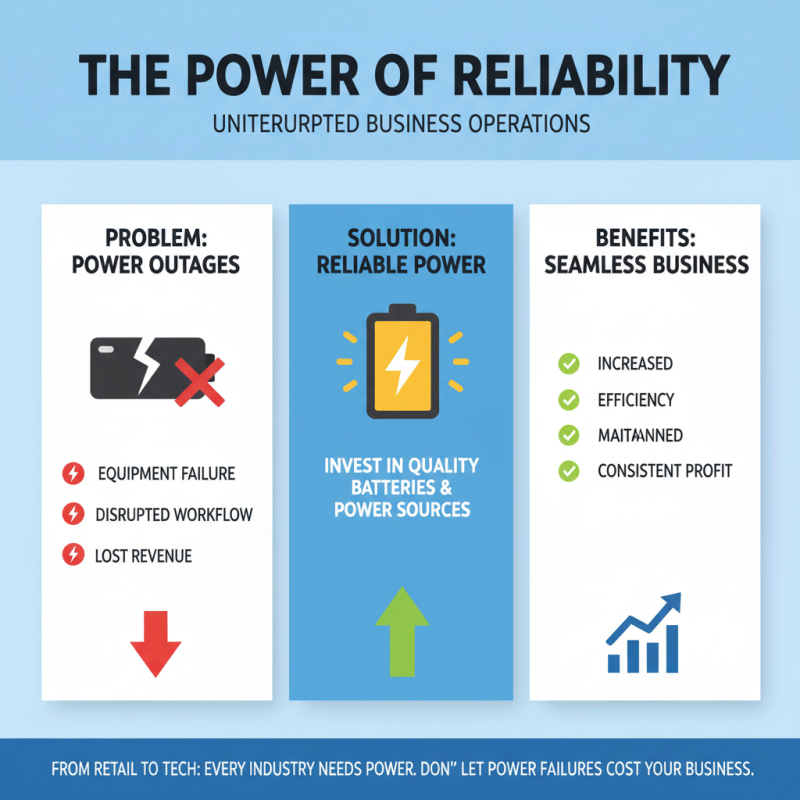
Reliable power sources are crucial for seamless business operations. When equipment fails due to power outages, it disrupts workflow and can result in lost revenue. Every industry relies on uninterrupted power, from retail stores to tech startups. Investing in quality batteries is not just a choice; it is a necessity for maintaining efficiency and productivity.
Consider backup power solutions like batteries. They provide a failsafe against unexpected blackouts. Regularly testing your battery systems ensures they work when needed. Implement a routine check-up schedule to avoid unpleasant surprises. This proactive approach often saves time and money in the long run.
It’s also vital to educate your staff about power management. They should know how to respond during outages. A quick response can often mitigate potential losses. Remember, even the best systems require proper handling. Ensuring everyone understands their role in power management can foster a more resilient work environment.
Types of Batteries Suitable for Various Business Applications
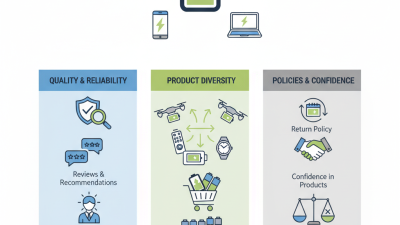
When considering battery options for business applications, it's crucial to understand the variety available.
Lead-acid batteries are often used in warehouses and forklifts. They are robust and reliable. According to a report from the International Energy Agency, lead-acid batteries accounted for nearly 60% of the global battery market in 2021. Their affordability makes them a popular choice, but their weight can be a downside.
Lithium-ion batteries have gained attention in recent years due to their efficiency. They are found in many electronic devices and are becoming common in electric vehicles. A study from BloombergNEF indicates that lithium-ion costs have dropped by 89% since 2010. Their lightweight and longer lifespan are major benefits. However, the initial investment is often higher, which can be a barrier for some businesses.
For renewable energy solutions, deep cycle batteries are essential. They are designed for repetitive discharge and recharge cycles. This makes them ideal for solar energy systems. However, they require proper maintenance to maximize performance. Often, businesses overlook this aspect, which can lead to reduced efficiency over time. Understanding these distinctions helps in making an informed choice for your energy needs.
Cost-Benefit Analysis of Investing in Quality Batteries
Investing in quality batteries is essential for businesses. A cost-benefit analysis reveals significant advantages. Reliable batteries minimize downtime and increase productivity. Quality batteries last longer and perform better under demanding conditions. This directly affects your bottom line.
Tips: Assess your usage needs carefully. Choose batteries that match your equipment's requirements. This prevents frequent replacements that drain your budget. Consider the total cost of ownership rather than just the initial price.
While cheaper options may seem tempting, they often lead to higher long-term costs. You may face unexpected failures that disrupt operations. Business continuity relies on dependable energy sources, so think long-term. Quality batteries enhance operational stability, ultimately boosting your reputation.
Sustainability Considerations for Battery Choices in Business
Choosing the right batteries for your business is more than just a technical decision; it’s a sustainability effort. Many companies overlook the environmental impact of battery disposal and production. Opting for rechargeable options can significantly reduce waste in landfills. Rechargeable batteries have a longer lifespan than disposable ones. They require fewer replacements, which means less material used over time.
When selecting batteries, consider their source. Some batteries are made from rare materials that have a heavy environmental footprint. Researching suppliers can lead to better choices. Look for manufacturers that prioritize eco-friendly practices. Not all batteries are created equal. Some promise high performance but fall short in sustainability.
Reflecting on your energy needs is crucial. What works for one business might not work for another. It’s essential to evaluate the specific requirements of your operations. This could involve analyzing energy consumption patterns. Making informed decisions can boost your company’s sustainability efforts. It may take time, but finding the balance between performance and eco-conscience is worth the effort.
Battery Choices for Business Sustainability
How to Choose the Right Battery Supplier for Your Needs
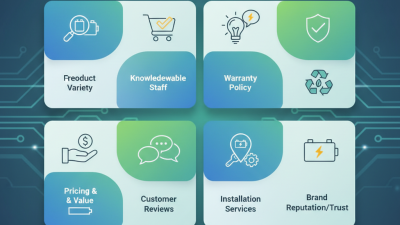
Choosing the right battery supplier is crucial for any business. A reliable supplier can ensure smooth operations. Consider their expertise in battery technology. Ask for certifications or industry partnerships. This can reflect their authority and reliability.
Tips: Look for suppliers with good customer reviews. Positive feedback often indicates dependable service. Consider their response time for inquiries. Quick communication can save you time in urgent situations.
Don’t overlook testing and quality assurance. A supplier should provide details about their quality control processes. Inconsistent quality can lead to operational failures. It’s essential to ensure the batteries meet your specific requirements. Ask for samples before making a bulk order. This can help you assess the product beforehand.
Finally, think about logistics and delivery options. A supplier with local distribution might provide faster service. However, weighing price against reliability is necessary. Sometimes savings can lead to long delays or issues. Always prioritize a balance between cost and quality.
Why You Should Buy Batteries for Your Business Needs? - How to Choose the Right Battery Supplier for Your Needs
| Battery Type |
Use Case |
Capacity (Ah) |
Approx. Lifespan (Years) |
Supplier Considerations |
| Lead Acid |
Backup Power Systems |
100 |
3-5 |
Availability, Cost |
| Lithium-ion |
Electric Vehicles |
50 |
7-10 |
Performance, Warranty |
| Nickel Metal Hydride |
Hybrid Cars |
40 |
5-7 |
Compatibility, Sustainability |
| Alkaline |
Consumer Electronics |
10 |
1-2 |
Cost, Shelf Life |
| Gel Cell |
Solar Energy Systems |
200 |
4-6 |
Safety, Environmental Impact |