The global battery market is expanding quickly, but purchasing decisions remain surprisingly difficult. According to the International Energy Agency’s Global EV Outlook 2025, electric car sales exceeded 17 million in 2024, creating stronger demand for cells, modules, and complete battery systems. The report also shows that battery supply chains remain concentrated in a limited number of countries. This matters to every international buyer. A battery that looks affordable online may become expensive after freight, insurance, testing, tariffs, and installation.
Buyers must compare more than capacity and price. BloombergNEF’s Battery Pack Prices 2024 report placed the average lithium-ion pack price at 115 US dollars per kilowatt-hour. However, chemistry, order volume, warranty terms, and regional production can change the real quotation. LFP batteries may suit stationary storage and many commercial vehicles, while NMC cells can offer higher energy density. The correct choice depends on temperature, charging cycles, safety controls, and available service support. Small details matter. Check the datasheet, UN 38.3 test evidence, IEC standards, traceability records, and the supplier’s quality history before you buy a battery.
Do not trust impressive claims too quickly. Some specifications are incomplete. Some delivery promises are optimistic. A careful global procurement process should verify factory capability, sample performance, production consistency, and after-sales responsibility. The IEA and BloombergNEF provide valuable market signals, but they cannot replace independent inspection. This guide explains how to assess battery technology, suppliers, compliance, logistics, and total ownership cost in 2026. Mistakes are possible, even for experienced buyers. A transparent checklist can reduce them.

Start with the application, not the battery catalog. Identify the device, operating hours, load profile, and charging method. A small medical monitor needs different performance from a warehouse vehicle. Record the normal current, peak current, voltage range, and daily usage cycles. Do not rely on a single average figure. Short power surges can damage an undersized battery.
Measure the available space carefully. Note length, width, height, connector position, and maximum weight. Then check the operating environment. Outdoor equipment may face rain, dust, vibration, and temperatures below freezing. Indoor systems may need quiet operation and low maintenance. Chemistry also matters. Some batteries provide strong peak power, while others support longer service life or frequent cycling. Ask for test data under conditions similar to your application.
I once focused too much on capacity and overlooked charging time. That mistake caused delays during real operation.
Capacity alone is not enough. Confirm the required runtime, recharge window, standby period, and expected service life. Consider transport requirements, local electrical standards, installation skills, and after-sales support in the destination country. Request a datasheet, safety information, warranty terms, and sample testing before placing a large order. A field trial may reveal heat buildup, unexpected voltage drops, or a connector that does not fit. Recheck every measurement. Small errors become expensive across an international shipment.
How to Buy a Battery in 2026 for Global Buyers?
Battery selection should begin with chemistry, not price. Lithium iron phosphate (LFP) usually offers strong thermal stability and long cycle life. Nickel-manganese-cobalt (NMC) provides higher energy density, but thermal control demands greater attention. Sodium-ion cells are emerging for lower-cost storage, although their energy density remains weaker. The International Energy Agency reported that global electric-vehicle battery demand exceeded 1 TWh in 2024. BloombergNEF reported an average lithium-ion pack price of 115 US dollars per kWh in 2024, down 20% year on year. Prices help, but they cannot replace testing.
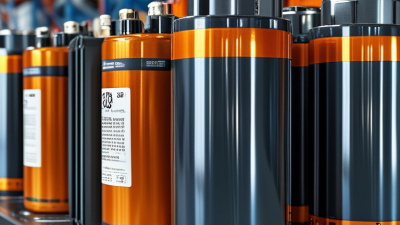
Format changes installation and service decisions. Cylindrical cells suit automated assembly and efficient cooling. Prismatic cells can simplify module design. Pouch cells save weight, but swelling control requires careful packaging. Compare nominal voltage, ampere-hours, watt-hours, continuous C-rate, peak C-rate, cycle life, and operating temperature. A 100 Ah battery is not automatically stronger. Its usable energy depends on voltage and permitted depth of discharge. Small details matter.
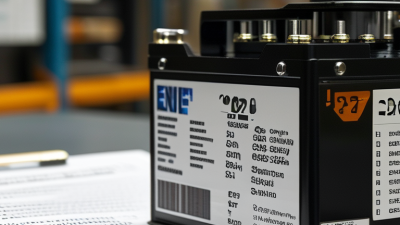
Tips: Request a current test report, safety certification, UN 38.3 transport evidence, and a traceable batch number. Ask whether cycle-life data uses realistic temperatures and discharge rates. Do not compare ratings from different test methods. I often see buyers focus on energy density and overlook cold-weather performance. That is an expensive mistake. Also check warranty terms, replacement procedures, and local recycling capacity before ordering. Specification sheets can look complete. Sometimes they are not.
When buying batteries internationally, verify safety evidence before comparing price or capacity. Ask the supplier for the exact model number, test reports, and production date. The documents should match the cells, enclosure, chemistry, and intended application. A certificate with a similar name is not enough.
Check relevant standards for the destination market and battery type. Common evidence may include IEC testing, electrical safety assessments, and transport testing under UN 38.3. Certification marks should be traceable through an issuing body or official database. Request the Safety Data Sheet, technical specification, and quality-control records. Also inspect protection features, such as overcharge control, temperature monitoring, and short-circuit protection. Small details matter.
Transport rules create another risk. Lithium batteries may require dangerous-goods declarations, approved packaging, warning labels, and specific shipping instructions. Air, sea, road, and rail requirements can differ. Confirm the permitted state of charge and packing method with the carrier before dispatch. Customs authorities may also request invoices, test summaries, origin details, and battery classifications. Keep every document consistent.
Do not trust perfect paperwork alone. I have seen buyers focus on certificates while ignoring damaged cartons, unclear labels, or mismatched serial numbers. That approach needs reconsideration. Ask for recent photos, a sample inspection, and independent testing when the order is large. Regulations change, and a document valid last year may not satisfy a current route or market.
A reliable supplier should provide more than a polished catalog. Request recent test reports, production capacity, cell specifications, and traceable batch numbers. Ask for a sample before placing a large order. Check the sample’s weight, connectors, voltage, charging behavior, and packaging. A remote factory audit can reveal storage conditions and quality controls. However, documents can become outdated. Verify critical details against the actual shipment.
Compare total landed cost, not only the unit price. Include tooling, testing, customs charges, insurance, taxes, and inland delivery. Clarify the trade terms and payment schedule in writing. A low quote may exclude export packing or special documentation. That difference can be painful. Keep at least two comparable quotations, using identical specifications and quantities. Pricing changes with raw material costs, order size, and delivery timing, so request a validity period.
A strong warranty explains coverage, cycle-life expectations, acceptable capacity loss, and claim procedures. It should identify response times and replacement responsibilities. Avoid promises stated only in emails. Shipping plans also need close attention. Confirm compliant packaging, carrier restrictions, temperature limits, tracking, and required transport documents for the destination. Sea freight usually costs less but takes longer. Air freight can be faster and more expensive. Build extra time for customs inspections. One missed document can delay a container for days. No checklist is perfect; recheck labels, quantities, and destination rules before dispatch.
After an international shipment arrives, keep the battery in its original carton until inspection begins. Photograph the package, labels, seals, and any crushed corners. Check for leaking fluid, swelling, cracked cases, loose terminals, or a sharp chemical smell. Do not handle a damaged unit casually. Isolate it in a dry, ventilated area and contact the supplier or a qualified technician. Customs paperwork may look correct, yet the battery can still suffer from heat, vibration, or long storage.
Use a calibrated multimeter to measure voltage after the battery reaches room temperature. Compare the reading with the technical document, not with guesswork. A normal voltage does not prove full capacity. For rechargeable batteries, check the charging history and recommended storage level. A controlled load test can reveal weak cells, but trained personnel should perform it with suitable protective equipment. Never pierce, open, short-circuit, or charge a swollen battery. Keep sparks and metal tools away from exposed terminals.
Maintenance should include clean, dry terminals and a stable storage temperature. Record voltage, test date, visible condition, and delivery damage for every unit. Rotate stored batteries according to the supplier’s schedule, then retest them before installation. Small records matter. A common mistake is trusting one successful power-up. That test is too shallow. Even experienced buyers can miss gradual capacity loss when inspections are rushed. Reviewing the process after each shipment helps correct those blind spots.